
Key Takeaways
- Before choosing to rent or sell, homeowners should closely evaluate their financial goals, cash flow potential, taxes, and the broader implications of owning multiple properties.
- Rental decisions should be based on realistic income projections that account for all operating expenses, vacancy risk, and market rent comparisons to ensure positive cash flow.
- Capital gains taxes, property taxes, and the cumulative costs of either renting or selling can significantly impact overall returns and must be factored into the decision.
- Prevailing market conditions, such as rental demand or whether it’s a buyer’s or seller’s market, play a critical role in determining which option offers the strongest financial outcome.
Have you just finished paying off your current home or completed major renovations and are now contemplating moving to a new home and selling or renting out your old house?
As a property owner, you’ll want to consider both the pros and cons of renting and selling. Thankfully, we at Archstone Properties have put together this guide to help you determine which option aligns best your short and long-term goals.
Reach out today for more information!
Evaluate your Financial Situation and Goals
Before deciding whether to rent out or sell your house, first evaluate your financial situation and goals. To do this, you’ll need to consider certain things like property taxes, mortgage payments (if any), capital gains taxes, and the potential implications of owning two homes.

Here’s a closer look at the financial consideration to make:
Earning a Rental Income
If you decide to keep the property and rent it out, you’ll need to determine the potential cash flow. You need to look at all your operational costs like marketing and maintenance as well as your mortgage payments, property insurance, and taxes. Don’t forget to factor in vacancy costs, property management fees, and reserve funds into your calculations.
You then need to look at what comparable rental properties in your area are charging for rent. From there you can see if estimated rent prices would cover your operational costs. This should help you know whether the property will still be profitable even while serving the mortgage.
Ultimately, the goal is to ensure you charge the right rent for optimal return on investment. When prices correctly, you can generate positive cash flow and steady returns.
Capital Gains Taxes
This is another consideration you’ll have to make. Check your state and local laws to find out how capital gains taxes apply to your property. In the state of Oklahoma, capital gains are taxed as regular income at the state level rather than at a separate capital gains rate.

This means profits from the sale of assets such as real estate or investments are added to your taxable income and taxed according to Oklahoma’s income tax brackets. Understanding how to navigate tax season as a property owner is essential to ensure long-term success.
Property Taxes
How much property taxes you’ll be expected to pay will depend on the investment’s value. So, before deciding to rent or sell your house, consider how much tax you’ll need to pay. These can add up over time and can seriously impact your financial standing.
Reach out today for more information!
Owning Two Homes: The Financial Implications
Owning two homes can create a significant financial burden, as it often means covering additional maintenance, insurance, and carrying costs, especially if one or both Oklahoma City properties are not yet paid off.
Carefully weighing the pros and cons is essential to ensure this decision aligns with your long-term financial goals and does not place unnecessary strain on your budget.
Selling or Renting Out Your Home: Understanding the Costs
Whichever option you go with, expect some costs to follow suit. If you decide to rent out the property, the following are some of the costs you may incur:
- Property taxes.
- Insurance.
- Marketing costs.
- Vacancy costs.
- HOA fees.
- Repairs and maintenance.
- Property management fees.
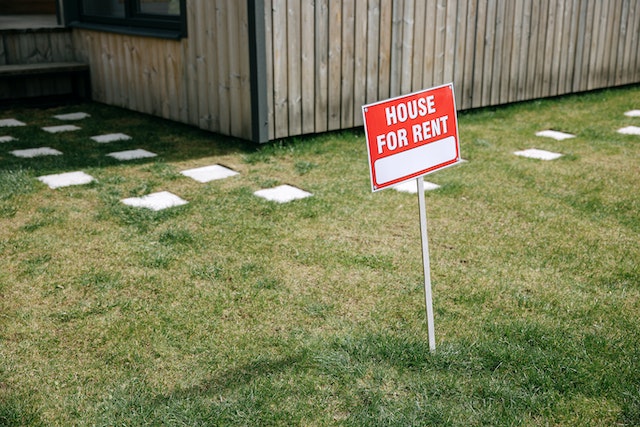
On the other hand, if you decide to sell the home instead of renting it out, the following are the associated costs to consider:
- Closing costs.
- Marketing.
- Staging.
- Repairs.
- Real estate agent fees.
Assess the Prevailing Market Conditions
You’ll also want to base your decision on the prevailing market conditions. If you decide to keep the house and rent it out, you need to know about the rental demand in the area. The best way to do this would be to consult an expert property management company.
They can help you understand things like vacancy rates, expected return on investment, and other important market factors.
If you choose to sell the home instead, then understand the current market trends. Specifically, whether it’s a seller’s market or a buyer’s market. Preferably, only consider selling the property if it’s a seller’s market.
A seller’s market is where demand for properties exceeds the supply. This causes prices to rise and buyers to compete for the available inventory. Resultantly, this can make you earn solid profits and returns on your investment.
Bottom Line
These are some of the important considerations you may have to make when deciding whether to rent out or sell your home. You may also consider hiring expert help to maximize your chances of making the right decision based on your specific circumstances.
Archstone Properties can help you in this regard. We are dependable and knowledgeable when it comes to the Oklahoma metropolitan real estate market, and have a proven track record of success. You can count on us for professional property management solutions. Contact us today to learn more!
